
Posts

Too Much of a Good Thing: The Truth About High Blood Calcium

Understanding Hypercalcemia: Causes, Symptoms, and Treatment

Hypercalcemia occurs when the level of calcium in the blood is too high—usually above 10.0 mg/dL. Calcium plays a key role in keeping bones strong, helping muscles work, and supporting nerve function. However, too much calcium in the bloodstream can interfere with these systems and lead to serious health problems.

The most common cause of hypercalcemia is a condition called primary hyperparathyroidism (PHPT). This happens when one or more of the parathyroid glands become overactive and produce too much parathyroid hormone (PTH). These small glands are located in the neck near the thyroid and help regulate calcium levels. When they produce too much PTH, calcium is pulled from the bones, absorbed more in the intestines, and lost less through urine—leading to high blood calcium levels.

Symptoms of Hypercalcemia:

  • Constant fatigue or muscle weakness
  • Kidney stones due to excess calcium being filtered
  • Bone pain or weakened bones, increasing fracture risk
  • Nausea, constipation, or appetite loss
  • Trouble with memory, focus, or mood

Best Treatment: Parathyroid Surgery

For most people with PHPT, parathyroid surgery is the only long-lasting solution. The procedure involves removing the overactive gland, which allows calcium levels to return to normal. At ParathyroidAtlanta, a minimally invasive surgery called MIRP (Minimally Invasive Radioguided Parathyroidectomy) is used to precisely remove the affected gland with a small incision, resulting in quicker recovery and fewer complications.

Life After Treatment

Patients usually feel better within days—less tired, fewer digestive problems, and improved focus. Most go home the same day and return to regular activities in less than a week.

Treating hypercalcemia early helps prevent long-term damage to bones, kidneys, and mental health.
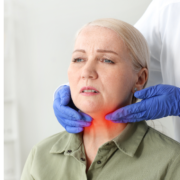

woman getting checked for hyperparathyroidism

Hyperparathyroidism: Important word to know if you have high calcium

Did you know that there’s an estimated 1-7 cases of hyperparathyroidism per every 1000 people? The Journal of Clinical Endocrinology & Metabolism reports that “Primary hyperparathyroidism (PHPT) is a relatively common endocrine disorder… It is believed to be the most common cause of hypercalcemia, predominantly affecting elderly populations and women two to three times as often as men.” (2013) Despite this statistic, many are unaware of the causes, effects, and cures for this condition. Continue below to see how you can be proactive about your parathyroid health. You might just find that your tendency to feel sluggish isn’t because of an imbalance of caffeine, but calcium. 

What Causes Hyperparathyroidism? 

Before we can dive into the symptoms and cures of hyperparathyroidism, it’s important to understand the parathyroid glands. The four parathyroid glands reside in your neck behind your thyroid. They are the only organs that we have four of and are responsible for drawing calcium into your bones and bloodstream when you need it. They also let calcium out of your body by pushing it through your kidneys daily. It seems like a small job, but your parathyroid affects many elements of your physical and mental health. When one or more of the parathyroid glands becomes overactive, it releases too much parathyroid hormone (PTH). The excess PTH draws in an unhealthy amount of calcium into your bloodstream. This condition can lead to anything from chronic fatigue, anxiety, memory loss, and depression to high blood pressure, kidney stones, and bone loss. Because of this, it’s very important that you’re aware of the symptoms to look out for. 

Symptoms

The symptoms of the unhealthy parathyroid gland(s) can be subtle and often go ignored. Many patients don’t realize they are suffering from hyperparathyroidism until they get the high calcium results from a routine blood test. Although sometimes high calcium (calcium above 10 mg/dl) is only temporary, an additional blood test should be taken to measure the Parathyroid Hormone (PTH) level. If the calcium and PTH tests are normal, then you do not have hyperparathyroidism, but you should stay updated on your calcium and PTH levels as a small change can lead to big differences in your well-being. If your calcium and PTH levels are high, you almost certainly have hyperparathyroidism. Almost all parathyroid patients have symptoms; as for the ones who don’t, they typically don’t realize they were suffering until it’s fixed. Everyone experiences different symptoms of Hyperparathyroidism. The most common are chronic fatigue, body aches, difficulty sleeping, bone pain, memory loss, poor concentration, depression, and headaches. Be consistently aware of the possible symptoms your parathyroid health could be causing. A small procedure just might end a lot of your suffering.

What Can I Do?

The good news about hyperparathyroidism is that there is a highly effective cure. Parathyroid Atlanta’s minimally invasive surgical techniques make recovery an easy process. What was once a life-threatening health problem can be removed with minimally invasive radio-guided parathyroidectomy (MIRP) surgical techniques. With MIRP, the operation occurs through about a one-inch-long incision, and it takes about 30-60 minutes. In most cases, the parathyroid gland that’s causing issues has been identified, but all four glands are still tested during the procedure. If any other glands are overactive, they are removed during the operation. If you believe you could be silently suffering from hyperthyroidism or want more information, please give our office a call. We would be more than happy to get you into our office so you can get on top of your parathyroid health. Don’t suffer in silence, get your calcium and PTH levels checked today.